
Kerrville, TX · Garage Door Service
Garage Door Maintenance for Center Point's 1989-Era Homes
Center Point homes went up mostly around 1989 - the original rollers and spring hardware are often still in place. We drive out from Kerrville, 9 miles away, to check it.
- Repairs & new doors
- Springs & openers
- Serving 4 nearby communities
What the Fix Involves
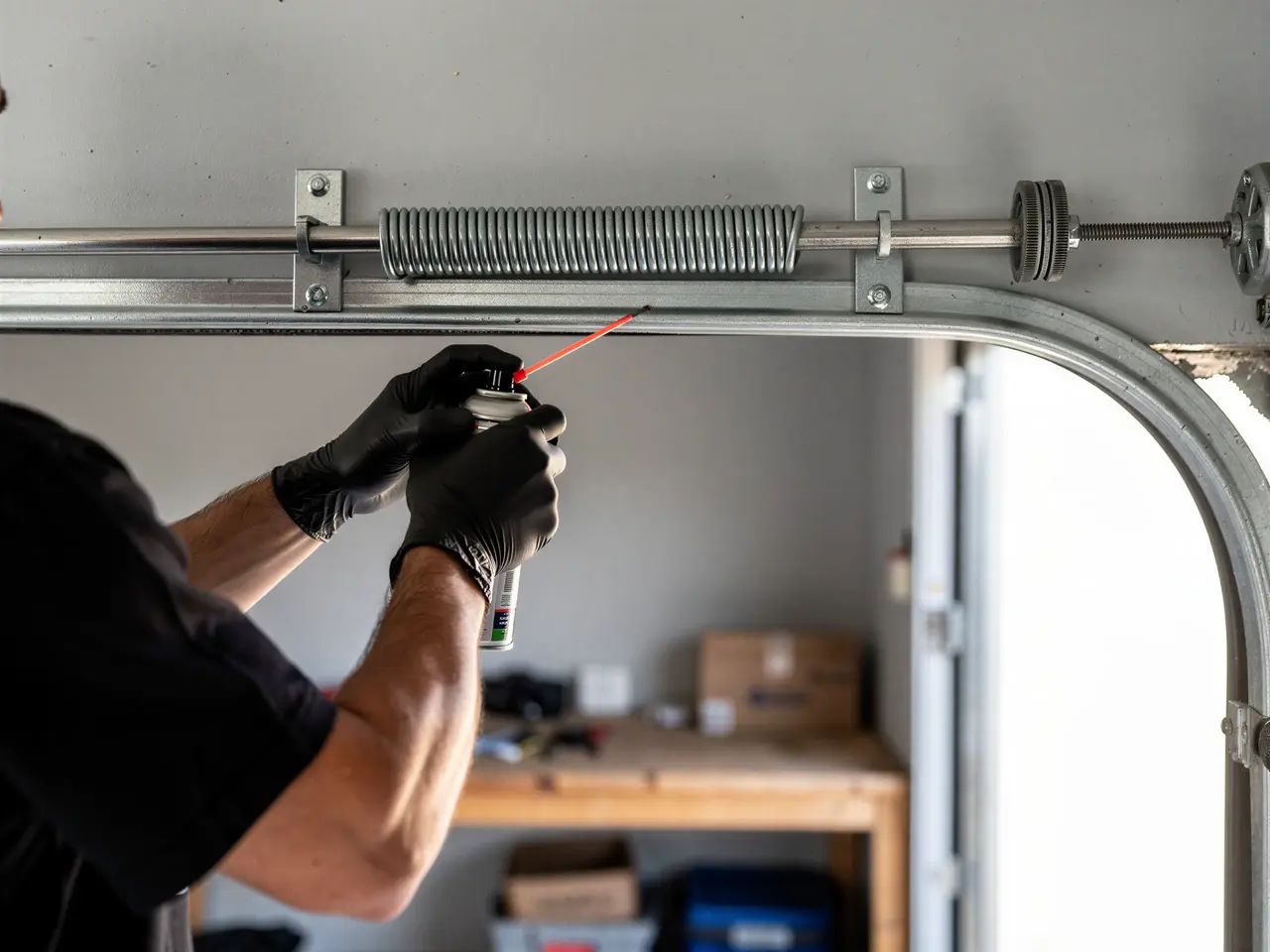
Most houses on this side of Center Point were built around 1989, and a lot of them still have the rollers, hinges, and even the spring cable that went in at construction. Nobody's pulled the panel apart since. Maintenance here starts with pulling that hardware and looking at it honestly - not replacing it on a schedule, but checking whether 35 years of mild-climate use has actually worn it out or whether it's just dirty and dry.
We lube the track and hinges, check roller wear, test spring balance by hand, and tighten the lag screws that back out of the jamb over time - a common issue on doors this age that have never been serviced. We also check the opener's force settings, since original openers from this era weren't built with the auto-reverse sensitivity that current units have.
What we don't do is replace parts that test fine just because they're original. A roller that still rolls true gets regreased, not swapped. If the torsion spring is original and shows no flat spots or rust pitting, we note the cycle count estimate and leave it - replacing a spring that works is money you don't need to spend yet.
How Long It Takes
A standard maintenance visit on a single door runs long enough to do the inspection, lubrication, and adjustment properly - we're not rushing a 35-year-old spring assembly just to get back on the road to Kerrville. Doors with original 1989 hardware tend to take a bit longer than a door replaced in the last decade, simply because there's more to check: old roller bearings, galvanized cable that may have started to fray at the drum, and fasteners that have backed out slowly enough that nobody noticed.
We're coming from Kerrville, about 9 miles out, so we schedule the drive into the job rather than treating Center Point as an add-on stop. That means we show up with the parts likely to be needed on a house this age - common roller sizes, standard cable, typical spring wire gauges for a door this size - rather than guessing on site and having to reschedule.
Why It Happens Here
Center Point sits in a mild climate band with occasional freeze, which is gentler on garage door hardware than a lot of Texas towns deal with - no hard freeze-thaw cycling tearing at weatherstripping, no extreme heat swings cracking seals every summer. That's the good news. The less good news is that gentle weather means original hardware lasts long enough that people forget it's original at all.
A door installed in 1989 and never serviced doesn't fail suddenly in most cases - it degrades slowly enough that the owner adjusts without noticing: a louder cycle, a slight shudder at the top of travel, a spring that takes a bit more opener strain than it used to. With 624 households in this area and a housing stock concentrated in that late-1980s build window, we see the same pattern repeat - hardware that's structurally fine but due for a real inspection rather than another year of being ignored.
What Can Go Wrong
The most common failure on a 1989-era door that's never been maintained is a spring that lets go without warning, because it was never checked for wear in the first place - by the time it snaps, it's been flat-spotting or rusting for years. Cables fraying at the drum are a close second, especially on doors that have had the spring adjusted once or twice without anyone checking the cable underneath.
One honest limitation: if a door's opener, spring, and track are all original from 1989, there's a point where maintenance stops being the right call and replacement is cheaper over the next five years than repeated repair trips. We'll tell you when we see that, rather than servicing a door that's better off replaced. We don't stock every part for openers from that era either - some older gear-drive models need parts we have to source, which can add a few days if yours needs one.
Frequently asked questions
How do I know if my garage door hardware is original to the house?
If your Center Point home was built around 1989 and the door has never been replaced, there's a good chance the rollers, hinges, and possibly the spring are original. Signs include painted-over hardware, older galvanized (not zinc-coated) cable, and an opener with a visible manufacture date from the late '80s or early '90s on the motor housing.
Do you have a shop in Center Point?
No. We're based in Kerrville and drive out to Center Point, about 9 miles away, for maintenance and repair calls. We bring parts suited to the housing stock in the area rather than treating every call as a guess on arrival.
Is my door's mild climate exposure actually a benefit?
Yes, relative to areas with harder freeze-thaw cycles - Center Point's mild band with occasional freeze is less hard on weatherstripping and seals. The tradeoff is that original hardware here lasts long enough that people stop thinking about maintenance, which is when a worn spring or frayed cable catches them off guard.
Should I replace my opener if it's from 1989?
Not automatically. If it runs quietly, reverses properly when it hits resistance, and isn't grinding, it can keep going. But openers from that era often lack modern force-sensing, so we test that specifically during maintenance and will tell you straight if yours isn't reversing safely anymore.
More garage door services in Center Point
Book garage door service in Kerrville
Call now or request a quote - tell us what the door is doing and where you are.